

Development funding pillar
The University of Maribor is implementing the development funding pillar of scientific research activity (DFP SRA) as part of the scientific research activity plan of the University of Maribor 2022-2027 and the scientific research activity development objectives of the University of Maribor 2023-2027, aimed at promoting quality, creativity and innovation, internationalisation, openness and knowledge transfer as well as cooperation with the environment in the field of scientific research activity.

Strengthening the programme cores of UM
Within the framework of the DFP, the pillar dedicated to the development of scientific research and infrastructure activities, we would like to highlight the programme cores of UM researchers. To enable a rapid response to scientific trends and technological breakthroughs, particularly in emerging, interdisciplinary research fields, the University of Maribor has established internal mechanisms for awarding financial incentives. Two internal calls for proposals were carried out, one in 2023 and the other in 2025, to strengthen the research programme cores of UM, resulting in six programme cores currently being active.
Through the 2023 Internal Call, funding was secured for the first three programme cores, which have been operating since 2024 in the following indicative fields:
- Data Science and Artificial Intelligence in Biomedicine,
- Materials and Technologies as well as
- Heritage Science and Climate Change.
Under the 2025 Internal Call, their further strengthening was enabled, along with the establishment of three additional programme cores in three new indicative fields:
- promotion of fundamental research in mathematics and natural sciences,
- promotion of research in the field of space and data-driven understanding of the Earth and
- promotion of research in the social sciences with an emphasis on interdisciplinary integration of economic and business sciences, tourism, logistics, organisational sciences, and security studies.
We invite you to explore the activities of the established programme cores of UM researchers.
HEAD OF PROGRAMME CORE: prof. dr. Gregor Štiglic
APPLICANT MEMBER: Faculty of Health Sciences
PARTICIPATING MEMBERS: Faculty of Chemistry and Chemical Engineering; Faculty of Economics and Business; Faculty of Education; Faculty of Medicine; Faculty of Electrical Engineering and Computer Science; Faculty of Arts; Faculty of Natural Sciences and Mathematics; Faculty of Law.
PRIORITY INDICATIVE FIELD OF THE PROGRAMME CORE: Data Science and Artificial Intelligence in Biomedicine
START OF ACTIVITIES: Year 2024
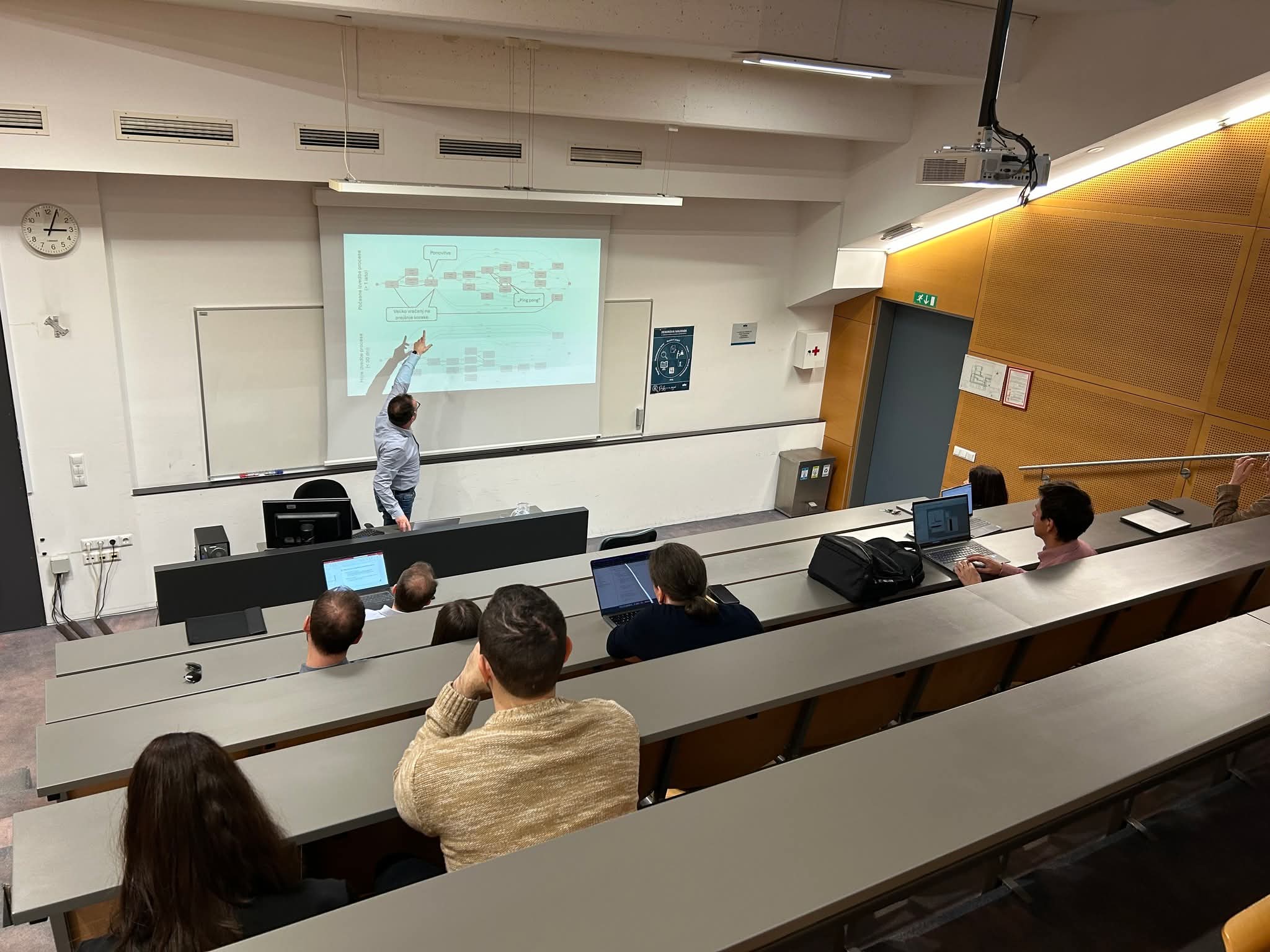
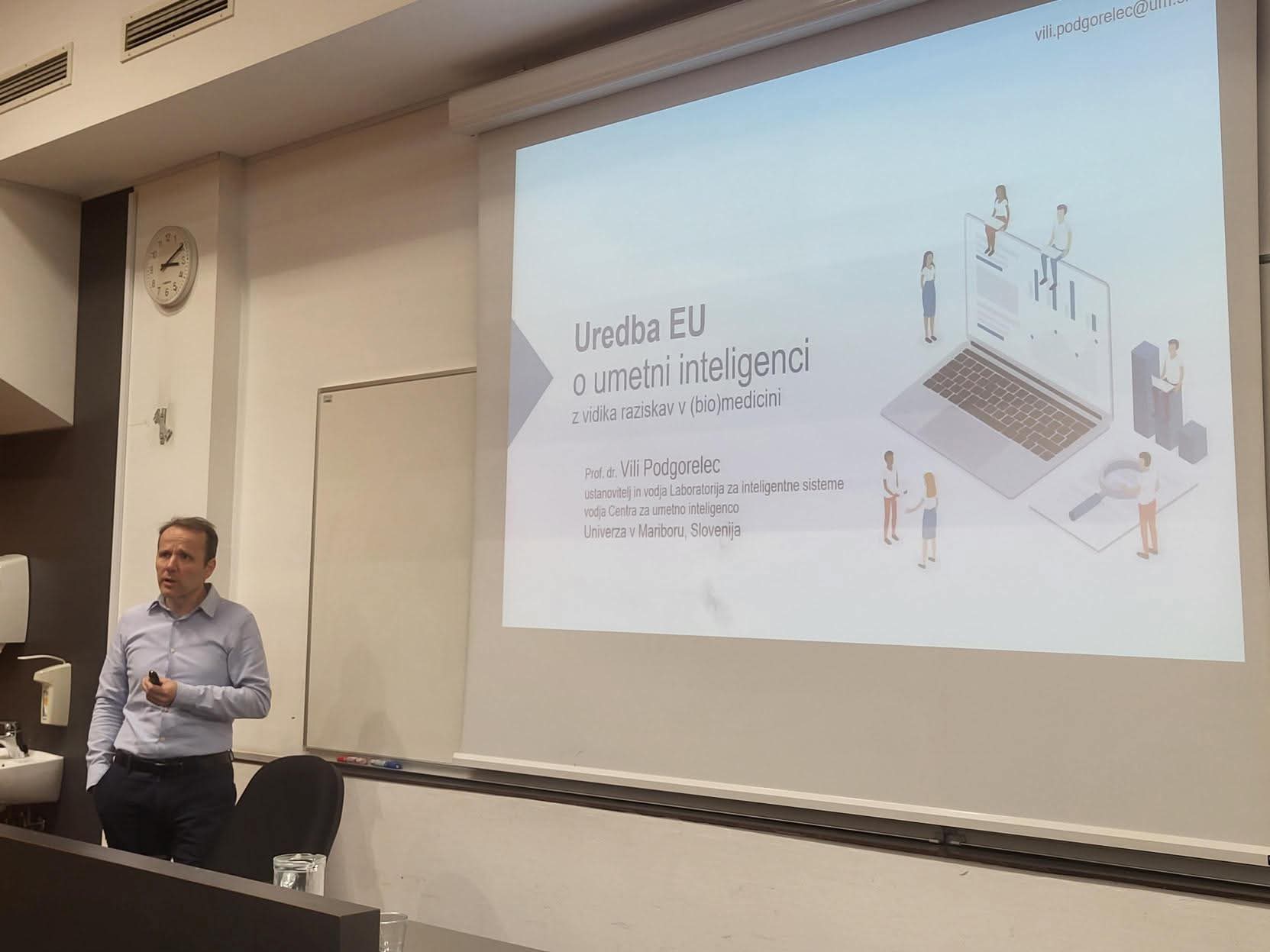
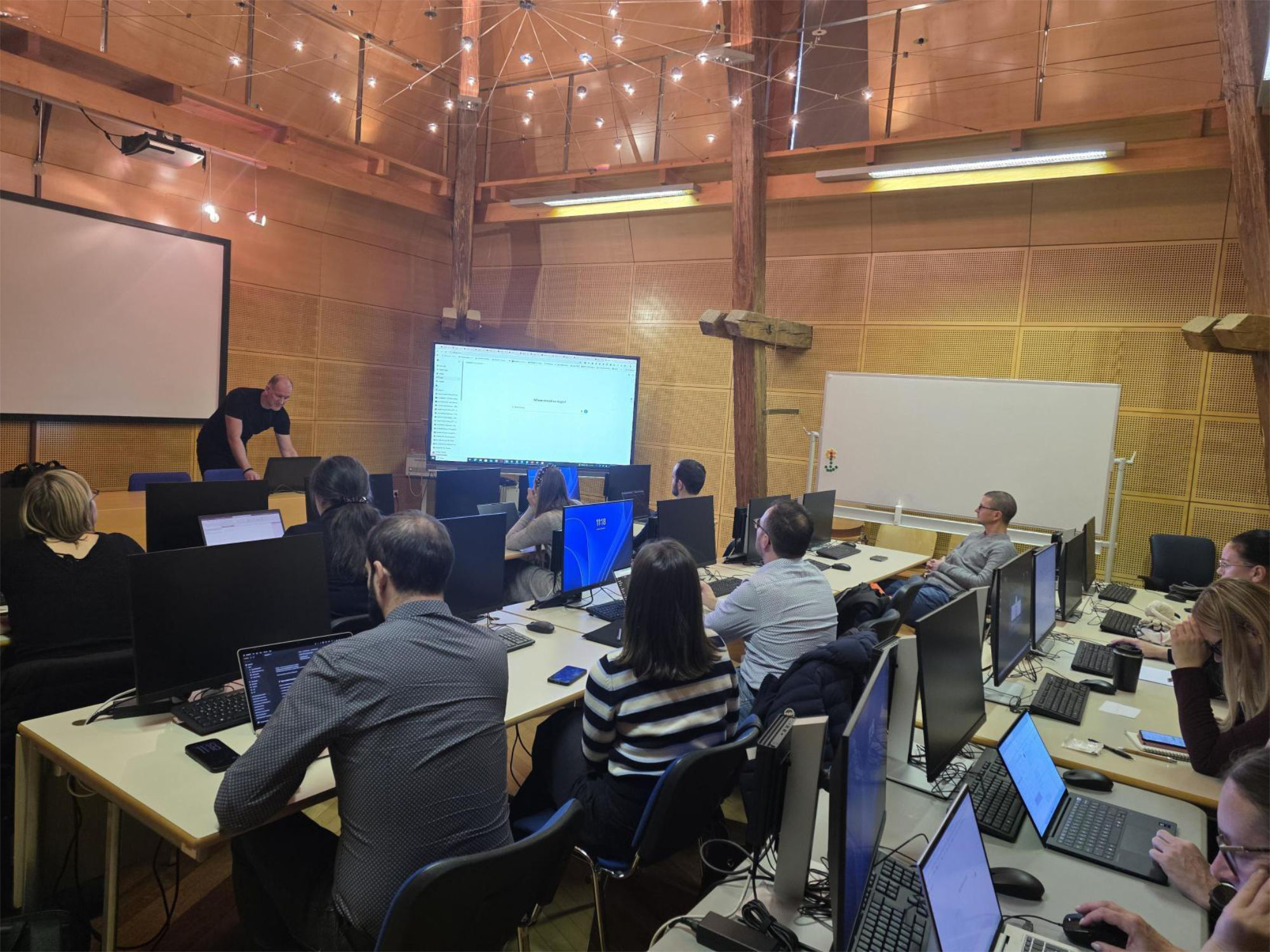
The Data Science and Artificial Intelligence in Biomedicine programme core operates within the research field of data science and artificial intelligence in biomedicine, with particular focus on the use of generative artificial intelligence and large language models (LLMs) to support research activities, the preparation of project proposals, and the automation of selected tasks related to scientific literature. The research focused on reviewing the use of LLMs in biomedicine, evaluating approaches aimed at reducing unreliable model behaviour, and developing a prototype application for preparing conceptual designs of projects and identifying potential research questions. Through this work, the members of the programme core connected researchers from nine faculties of the University of Maribor (UM) and strengthened interdisciplinary collaboration across the fields of healthcare, medicine, computer science, natural sciences, social sciences, and economics.
Among the key objectives of the programme core were connecting researchers from various UM faculties, developing methodologically and substantively grounded approaches to the use of artificial intelligence in biomedicine, preparing advanced GPT-based tools to support researchers, and enhancing project success in national and European calls. Major partial results include a review publication on data‑driven generative models for knowledge extraction from scientific literature in healthcare; the development and evaluation of a prototype application; the preparation of several specialised GPT solutions; training activities for programme core members; and the submission of several project proposals to ARIS, Horizon Europe, and ERC calls. The activities of the programme core have thus contributed to the development of new research collaborations, the transfer of knowledge into practice, and the strengthening of UM’s research and innovation capacity in the rapidly evolving field of artificial intelligence in biomedicine.
 |
 |
 |
HEAD OF PROGRAMME CORE: prof. dr. Matjaž Finšgar
APPLICANT MEMBER: Faculty of Chemistry and Chemical Engineering
PARTICIPATING MEMBERS: Faculty of Mechanical Engineering; Faculty of Medicine; Faculty of Electrical Engineering and Computer Science.
PRIORITY INDICATIVE FIELD OF THE PROGRAMME CORE: Materials and Technologies
START OF ACTIVITIES: Year 2024
The programme core within the priority indicative field Materials and Technologies represents an interdisciplinary research network of experts from the University of Maribor, comprising the Faculty of Chemistry and Chemical Engineering, the Faculty of Mechanical Engineering, the Faculty of Medicine, and the Faculty of Electrical Engineering and Computer Science. The research activities titled “Innovative Approach to the Development, Advanced Analysis, and Optimisation of New Functional Materials” were, in the years 2024 and 2025, based on five key thematic areas related to the development of advanced functional materials:
- Development and validation of bioactive coatings on 3D‑printed medical devices,
- Development and validation of new electrochemical sensors for the detection of low‑concentration analytes,
- Development and optimisation of corrosion inhibitors,
- Development of catalysts and conductive supports,
- Development of nano‑adsorbents for the removal of heavy metals from water.
In the period 2026–2027, the research programme will be further upgraded through the inclusion of the field of fibre‑optic‑based sensing provided by FERI UM. Research activities will be directed towards two key research areas:
- Forensic analysis of materials using advanced analytical tools and multivariate statistical data processing,
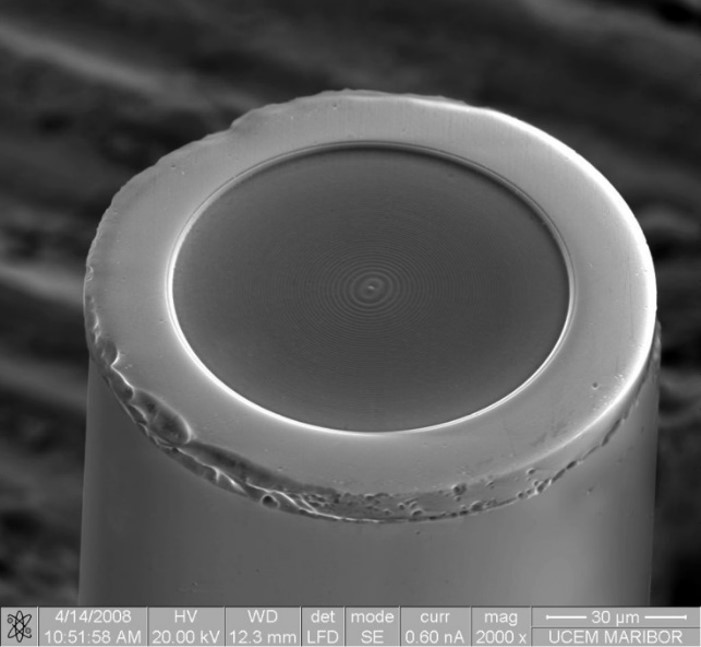
- Development, validation, and surface analysis of advanced optical sensors based on micro‑structured optical fibres.
The programme core thus significantly contributes to the development of new materials, technologies, and advanced analytical methods, and is aligned with the Slovenian Smart Specialisation Strategy (S5) and EU development strategies, while also promoting the transfer of knowledge into industrial practice. Such a research approach, integrating expertise from chemistry, materials science, and biomedicine, leads to the formation of new project initiatives.
In the period 2024–2025, the programme core achieved exceptional research productivity, confirmed by more than 200 publications in reputable international journals and numerous conference presentations.
HEAD OF PROGRAMME CORE: prof. dr. Gorazd Bajc
APPLICANT MEMBER: Faculty of Arts
PARTICIPATING MEMBERS: Faculty of Education; Faculty of Tourism; Faculty of Electrical Engineering and Computer Science; Faculty of Mechanical Engineering; Faculty of Law; Faculty of Civil Engineering, Transportation Engineering and Architecture; Faculty of Chemistry and Chemical Engineering; Faculty of Economics and Business; Faculty of Organizational Sciences; University of Maribor Library; Faculty of Logistics.
PRIORITY INDICATIVE FIELD OF THE PROGRAMME CORE: Heritage Science and Climate Change
START OF ACTIVITIES: Year 2024
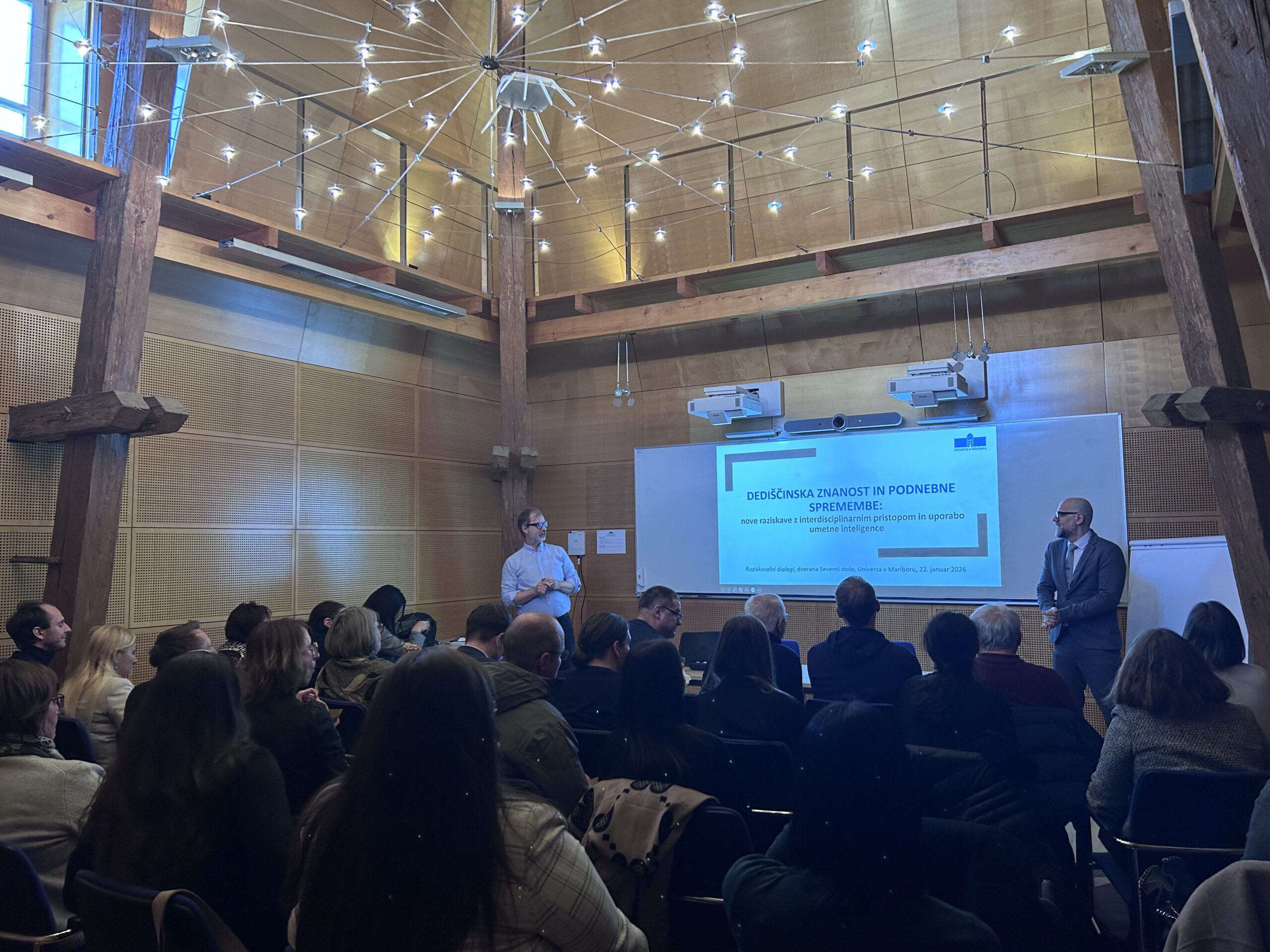
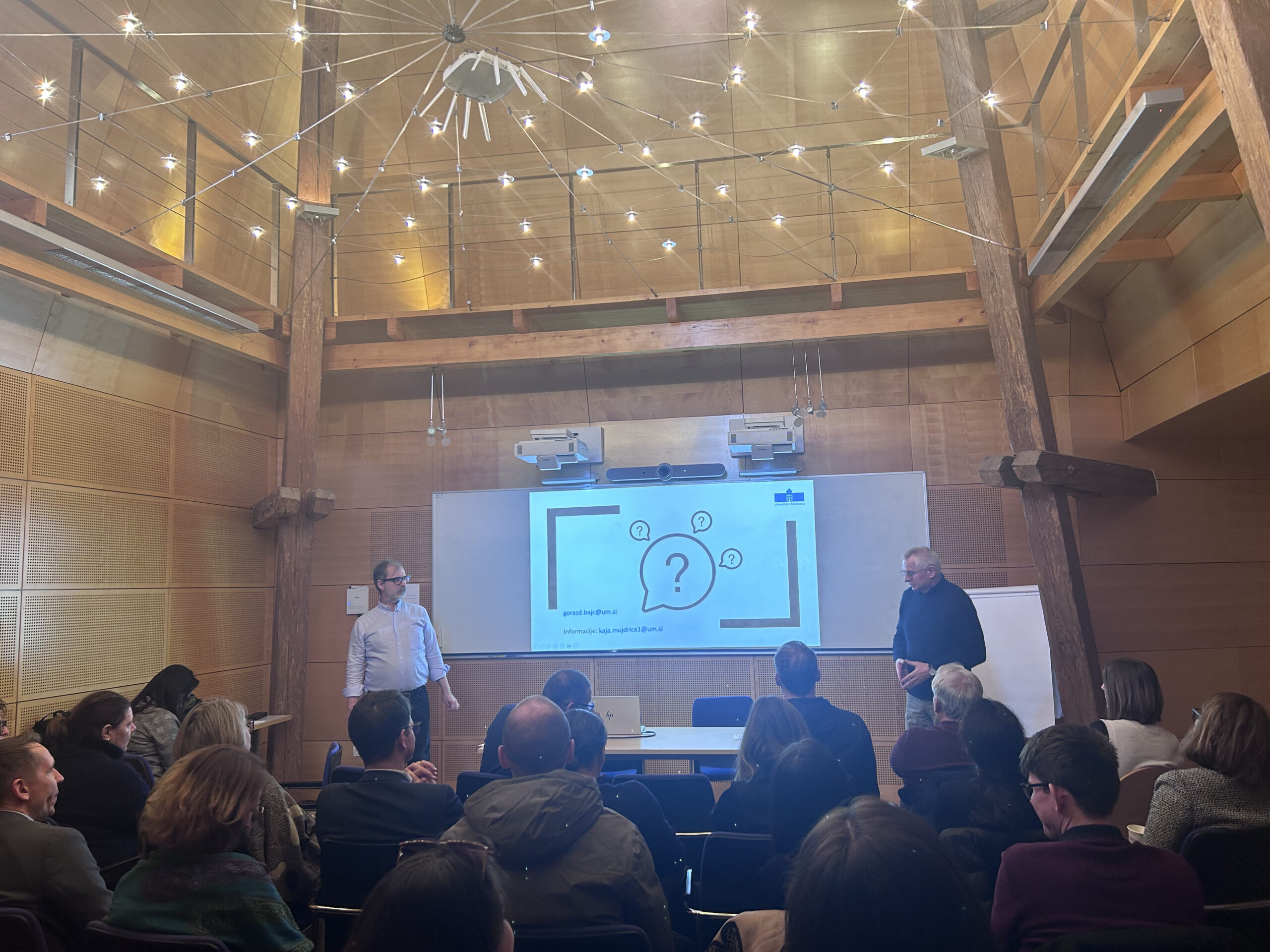
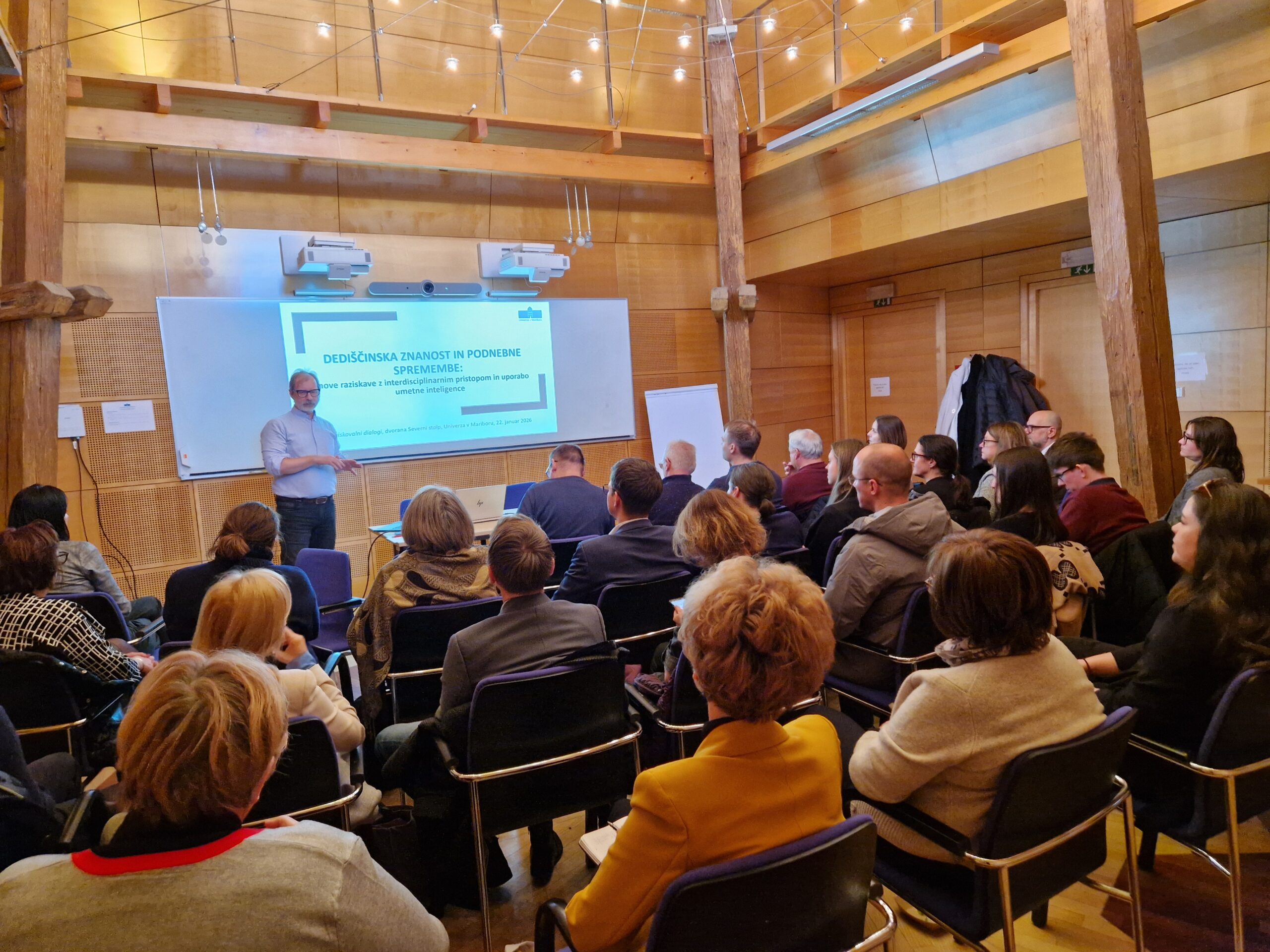
The programme core, led by prof. dr. Gorazd Bajc (Faculty of Arts, UM), currently brings together 76 researchers from 12 UM members. It integrates the fields of the humanities, social sciences, engineering, and natural sciences. Research work is carried out within four thematic areas: (1) heritage and identity; (2) sustainable heritage management; (3) heritage and social change; (4) Heritage and environmental (including climate) change.
The aim is to develop an in‑depth, interdisciplinary understanding of cultural heritage – both tangible and intangible – in relation to contemporary social and climate challenges, and to shape new methodological approaches, particularly through the use of artificial intelligence. Among the strategic objectives of the programme core are the preparation of major national and European project proposals (e.g., Horizon Europe), publication of scientific results, and the transfer of knowledge into educational and cultural environments.
The results already include an expansion of the research network, deepening of research content, and the establishment of foundations for the development of new sustainable and digital approaches to heritage protection and interpretation. Concrete collaboration between UM members has already resulted in the organisation of and participation in the second international E‑RIHS.si conference, attended by several core members, in the preparation of project proposals for the Horizon Europe call, in the publication of several scientific articles in reputable journals, conference contributions, and in strengthened cooperation between academia, cultural institutions, industry, and the wider public. Several researchers of the programme core are also involved in the AID HCH project and E‑RIHS Slovenia, which forms part of the international research infrastructure of heritage science, E‑RIHS.
 |
 |
 |
HEAD OF PROGRAMME CORE: doc. dr. Jernej Činč
APPLICANT MEMBER: Faculty of Natural Sciences and Mathematics
PARTICIPATING MEMBERS: Faculty of Medicine; Faculty of Education; Faculty of Health Sciences.
PRIORITY INDICATIVE FIELD OF THE PROGRAMME CORE: Promotion of Fundamental Research in Mathematics and Natural Sciences
START OF ACTIVITIES: Year 2026
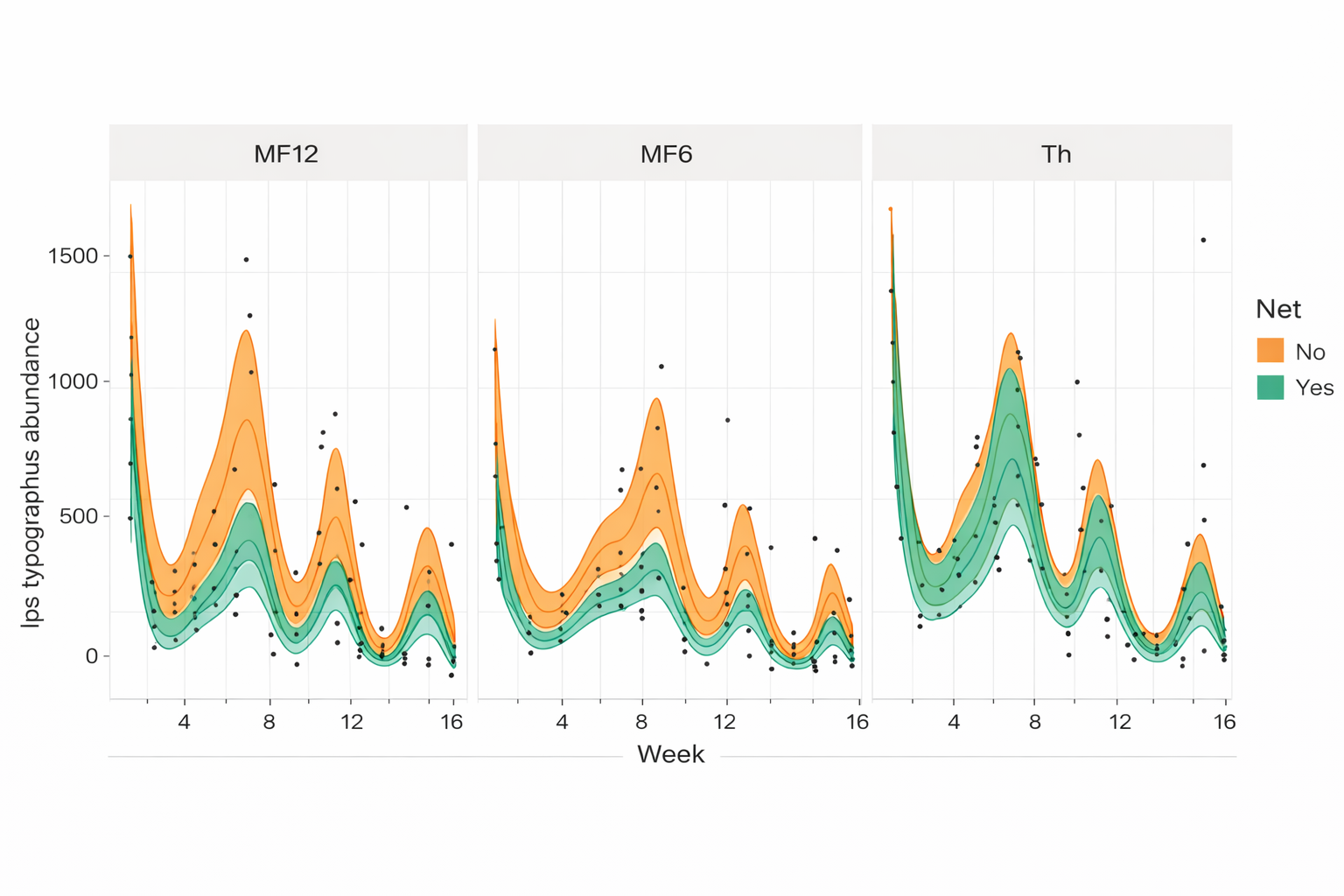
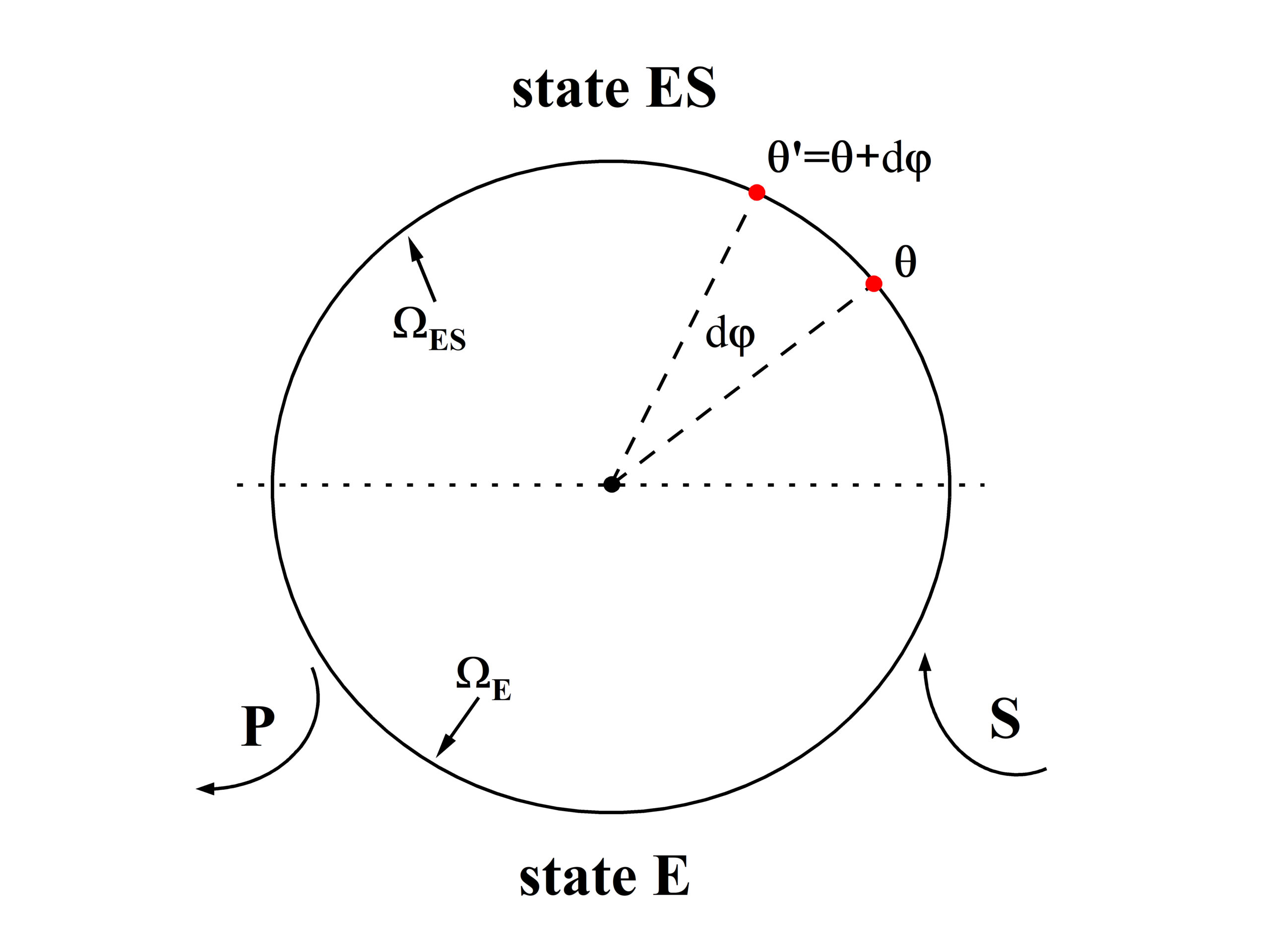
The research work of the programme core is focused on developing mathematical approaches for the analysis of complex dynamical phenomena in biology and biophysics. Biological processes are considered as dynamical systems in which stable states and characteristic behavioural patterns are described by attractors such as fixed points, limit cycles, and strange attractors. Special emphasis is placed on developing mathematical methods for identifying nonlinear and chaotic dynamics in empirical data, as well as on linking experimental research with mathematical modelling.
The research also includes the nonlinear dynamics of biophysical processes. We investigate enzymatic cycles within the framework of nonequilibrium thermodynamics, signalling processes in smooth muscle cells, and the collective dynamics of intercellular networks such as neuronal networks and pancreatic β‑cell networks. For this purpose, we develop deterministic mathematical models and analyse their attractors, bifurcations, and transitions between different dynamical regimes. The research approach integrates the analysis of nonlinear dynamical systems, bifurcation and network analysis, and advanced numerical simulations.
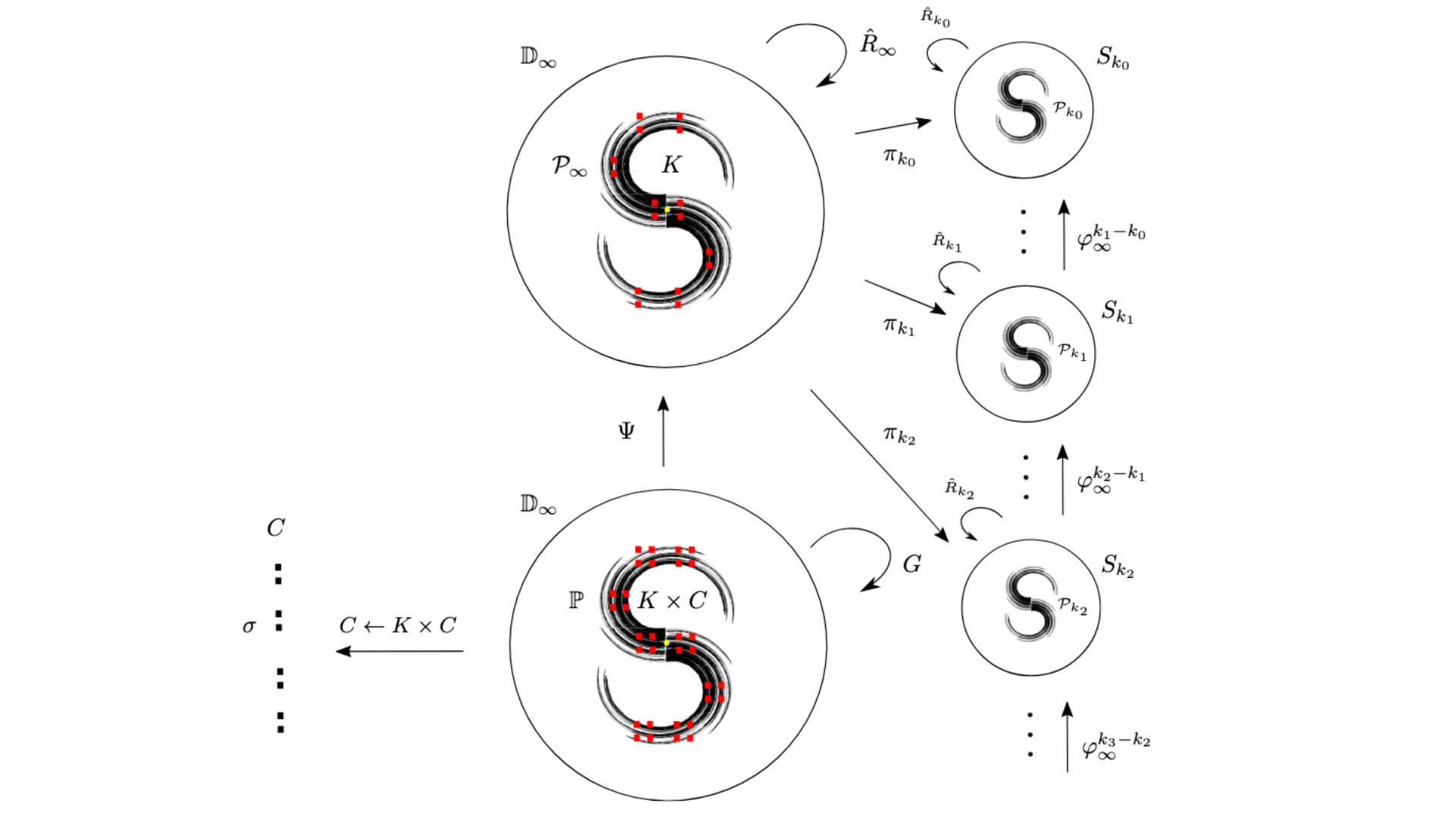
A dedicated segment of the research focuses on chaotic dynamical systems motivated by physical and biological models. We examine the structure and properties of attractors in models related to Lorenz and Hénon systems, which represent important mathematical examples of chaotic dynamics. The research contributes to understanding the mechanisms underlying the emergence of complex behaviour in processes such as turbulence, thermal convection, heart rhythms, and population dynamics, and includes the development of mathematically rigorous methods for stability and bifurcation analysis.
The programme core operates within national and international research projects and actively collaborates with researchers in the fields of mathematics, physics, and biology. The research results include the development of new methods for analysing dynamical systems and biological signals, improved models of collective cell dynamics, and publications in internationally recognised scientific journals. In this way, the programme contributes to a deeper understanding of nonlinear and chaotic dynamics in natural systems and promotes interdisciplinary development of mathematical modelling in the natural sciences.
 |
|
 |
HEAD OF PROGRAMME CORE: prof. dr. Domen Mongus
APPLICANT MEMBER: Faculty of Electrical Engineering and Computer Science
PARTICIPATING MEMBERS: Faculty of Tourism; Faculty of Civil Engineering, Transportation Engineering and Architecture; Faculty of Arts.
PRIORITY INDICATIVE FIELD OF THE PROGRAMME CORE: Promotion of Research in the Field of Space and Earth Data Intelligence
START OF ACTIVITIES: Year 2026
The programme core, aiming to establish a joint research infrastructure for data‑driven understanding of the Earth, carries out six targeted research activities ranging from autonomous satellite navigation and the development of sensor systems to applications in regenerative architecture, sustainable tourism, and heritage science:
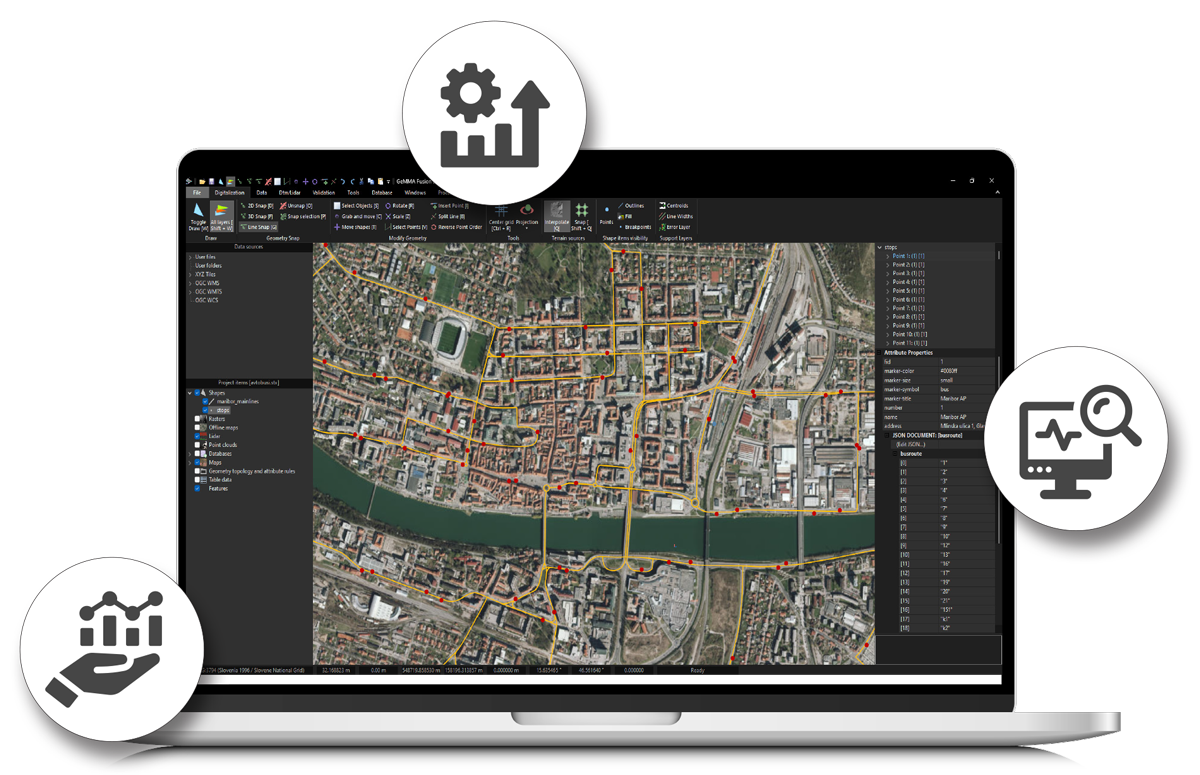
- Integrated platform for the development of Earth intelligence focuses on the development of a unifying platform for building Earth Intelligence systems, enabling systematic integration of space technologies with advanced optical sensor systems and open data for developing AI systems supporting enhanced data‑driven understanding of Earth surface patterns.
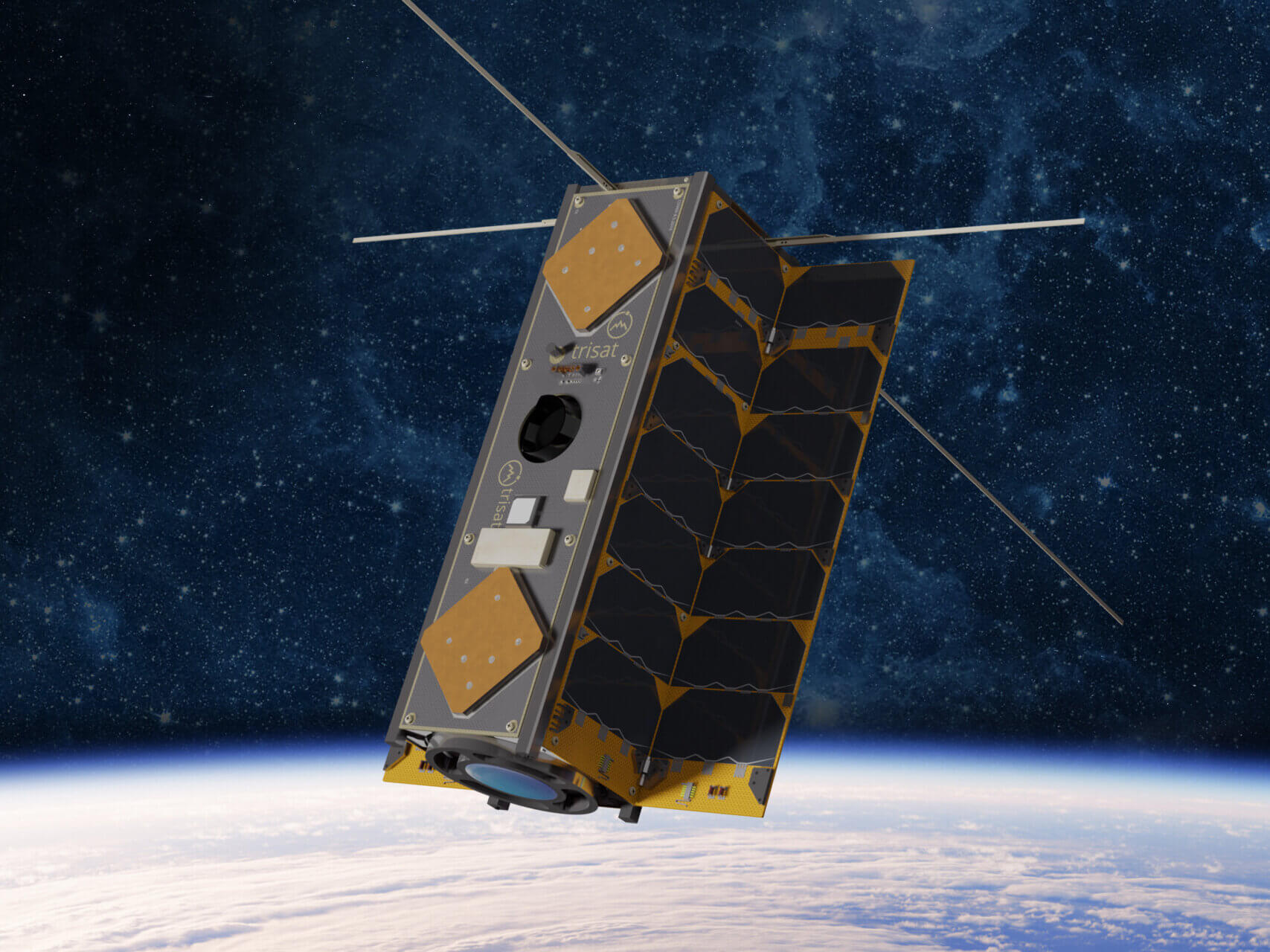
- Integrated visual awareness system for autonomous satellite orientation and navigation addresses the development of new methods and technologies for visual awareness that enable satellites to autonomously determine their position and orientation based on image data.
- Development of advanced optical sensor systems aims at developing optical sensing systems for improved monitoring and understanding of patterns on the Earth’s surface.
- Application of Earth intelligence in support of regenerative architecture and sustainable built environments focuses on the development of methods for studying architectural and spatial patterns on the Earth’s surface using terrestrial and satellite data.
- Application of Earth Intelligence for Tourism Studies will focus on analysing existing Earth data and identifying suitable applications for tourism research.
- Application of geospatial AI in support of selected heritage science research addresses the development of new methods for studying patterns related to the understanding of historical contexts in Slovenia and its border regions, particularly in the analysis of selected aspects of Slovenian identity, especially those tied to intangible heritage.
 |
 |
 |
HEAD OF PROGRAMME CORE: doc. dr. Boris Prevolšek
APPLICANT MEMBER: Faculty of Tourism
PARTICIPATING MEMBERS: Faculty of Economics and Business; Faculty of Organizational Sciences; Faculty of Logistics; Faculty of Criminal Justice and Security.
PRIORITY INDICATIVE FIELD OF THE PROGRAMME CORE: Promotion of Research in the Social Sciences with an Emphasis on Interdisciplinary Integration of Economic and Business Sciences, Tourism, Logistics, Organisational Sciences, and Security Studies
START OF ACTIVITIES: Year 2026
The research field of the programme core focuses on the development of a resilient and competitive Society 5.0, grounded in the integration of knowledge, innovation, digital technologies, and sustainable development. The research addresses particularly the areas of sustainable supply chains, organisational and digital innovation, logistics, artificial intelligence, human capital, and digital security, with a special emphasis on rural development and the resilience of local communities. The interdisciplinary approach connects the fields of economics, logistics, organisational sciences, management, security, and sustainable development, seeking solutions for adapting to rapid economic, technological, and social changes.
The key objectives of the programme core include the development of models of organisational and societal resilience and competitiveness that will enable more effective integration of stakeholders in supply chains, the introduction of digital technologies and artificial intelligence, sustainable resource management, and the strengthening of organisational and HR capacity. Special emphasis is placed on developing agile organisations, sustainable logistics solutions, digital transformation of enterprises, and enhanced digital and cyber resilience of local communities and SMEs.
Partial research results include the development of conceptual and empirical research models, such as the organisational resilience and competitiveness model, models of sustainable short food supply chains, logistics models for sustainable last‑mile delivery (e.g., nano‑warehouses), and a conceptual model integrating human capital, digital technologies, and organisational capabilities. The research also foresees the development of digital resilience indicators and a prototype tool for self-assessment of digital readiness in local communities and small enterprises. These results contribute to the formulation of practical recommendations for the development of sustainable, digitally supported, and resilient organisations and society as a whole.