

University of Maribor Open Science Ambassadors
We present the Open Science Ambassadors network of the University of Maribor, abbreviated as OZUM Ambassadors, which is part of the activities outlined in the Action Plan for Adapting Operations to Open Science Principles (OZUM).
The established network aims to raise awareness about the importance, principles, and initiatives of open science within the research and higher education environment. The OZUM Ambassadors network comprises researchers, data stewards, and professional support staff from libraries and other expert services at the University of Maribor. The goal of the network is to disseminate knowledge, provide valuable, high-quality information on various aspects of open science, and promote the responsible integration of its principles into the University’s research activities.
Meet the network members, explore their areas of expertise, and watch the introductory video showcasing how we are collaboratively shaping open, accessible, and responsible science.
Video of the Open Science Ambassadors network

The University of Maribor Open Science Ambassadors are ...

At the University of Maribor, we have placed open science among our strategic priorities, as we believe that only an open and transparent research system can effectively address the challenges of modern society. The key pillars of our approach are open publications, which enable unrestricted access to scientific results; open peer reviews, which enhance the quality and transparency of evaluation processes; open research data, which promote reproducibility, innovation, and trust; and modern research infrastructure, which supports the entire data lifecycle – from creation to long-term preservation.
The implementation of open science at UM is thoughtful and systematic: we have developed institutional guidelines, established support services, we are building digital infrastructure and conducting pilot projects. Most importantly, decisions are made in dialogue with our researchers, as we want the principles of open science to be realized where knowledge is created – in laboratories and lecture halls.
Prof. dr. Dean Korošak, Rector of the University of Maribor


I understand open science as a new milestone in the evolution of scientific communication. In Slovenia, librarians were among the first to recognize the emergence of a new paradigm in scientific communication. The initial steps involved raising awareness within academic communities about the open access requirements already in place in the 7th Framework Programme of the European Commission. Today, under Horizon Europe and within the national research area, research based on open science principles is mandatory under certain conditions.
Libraries are key stakeholders in providing support services for the academic community in its operation under open science principles. These services include: support for open access, management of institutional repositories, acquisition of international scientific literature with open access elements – the so-called transformative agreements that include open access vouchers, administration of voucher usage, management of funds for co-financing scientific publications in open access, support in handling research data, support for open access publishing and open educational resources as well as expertise in copyright issues related to open science.
Through a proactive role, we promote and implement the flow of information and ideas with free access to all recorded knowledge, information, and creations. We encourage intellectual growth and ensure the existence and effective access to recorded knowledge, regardless of ownership and format. This is what we librarians have expressed in the so-called Manifesto on Open Science (Pušnik, M., Legat, D., Open Science: What You Need to Know, 2023).
Mag. Dunja Legat (M.Phil.), Director of the University of Maribor Library, Member of the UM Open Science Working Group, Member of the NI4OS-Europe Open Science Promoters Network, Member of the EOSC-A expert group OA5: Skills, Training, Rewards, Recognition & Upscaling

As one of the first-generation of Open Science Ambassadors at Eurodoc, open science is fundamental to me for several reasons. I believe it is the foundation for accelerating scientific progress. With free access to research results, data, and methodologies, we avoid duplication of work, encourage collaboration among researchers worldwide, and enable faster discovery of new insights.
Moreover, open science is key to the democratization of knowledge. It does not limit access to scientific findings to academia alone but allows the broader public – including businesses, policy-makers, and citizens – to get acquainted with the latest research. This can lead to more informed decisions and innovations in society.
Assoc. Prof. dr. Nejc Novak, PhD, Researcher, Open Science Ambassador at Eurodoc

Open science brings new momentum to the world of research and discovery. It encourages scientists to share their findings transparently with the global community.
In the past, scientific achievements were often inaccessible, hidden behind paywalls or published in exclusive journals. Open science is changing that by enabling free access to information for everyone. This fosters a sense of empowerment and the realization that knowledge is not reserved for a select few.
Traditionally, researchers have been reluctant to share their results due to concerns about potential competition. Open science promotes collaboration over competition, and this shift in mindset creates a sense of belonging within the scientific community.
The traditional model of scientific research often relies solely on the work of individual groups. Open science, with its emphasis on collaboration and sharing of data and results, accelerates the pace of discovery, leading to collective progress and a shared sense of purpose among scientists.
Open science brings a sense of inclusion, cooperation, and trust to the scientific community. As the world embraces this approach, it not only transforms how knowledge is discovered and shared but also positively influences the mindset of those at the forefront of research and innovation. Open science is not just about free access to information; it’s about opening minds to a new era of scientific discovery.
dr. Zdenka Peršin Fratnik (PhD), Data Steward

Open science enables everyone to participate in scientific work, which I find important and beneficial for both scientists and the broader public.
In my research in mechanical engineering, I increasingly encounter elements of open science. I believe open science improves the research process, especially in terms of access to information.
Assist. dr. Luka Kevorkijan (PhD), Data Steward

Open science is not an ideal but a necessary corrective to a research system that too often encourages secrecy, competition, and self-promotion. Sharing knowledge, cross-disciplinary collaboration, and accessibility of results are essential for responsibly addressing complex global challenges.
Openness is not just about publishing in open-access journals – it also means adopting a different attitude toward power, resources, and recognition. It means that information is not withheld for personal gain but circulates, is understandable, usable, and publicly verifiable. Transparency in the operations of research institutions and accountability to the public should be a given, not an additional requirement.
Open science presents an opportunity to reinvigorate scientific work– as a public, collaborative, and responsible practice.
Brina Klemenčič, Representative of the Coordination of the Slovenian Open Science Community and Project Associate at EOSC-A

I believe that evaluations should be merit-based, grounded in the substance of one’s contributions, the context of the discipline, and their social or scientific impact, rather than guided merely by metrics or informal “point-chasing.” I too spent many years in my academic career following the same point-chasing practices, as this was common practice among my colleagues.
Over time, however, I came to recognise the considerable lack of quality in publications and the focus of research. This is why I now strive to prioritise quality, meaningful collaboration, and mentorship.
Assist. Prof. dr. Matej Bračič (PhD), researcher

Open science and open access to information are essential for a better future for all. When science and research outputs are openly accessible to everyone, they enable better collaboration, facilitate knowledge sharing, and accelerate societal progress in addressing the challenges we face as a society.
Jerneja Grašič, Data Steward Coordinator and Administrator of the Digital Library of the University of Maribor

Open science is an approach that seeks to make the outputs of scientific research, including publications, data, methodologies, software, and workflows, as widely accessible and reusable as possible, without unnecessary restrictions. It aims to enhance transparency, collaboration, efficiency, and the societal impact of science. By making research processes and outputs more open, we foster innovation, enable reuse, reduce duplication of research efforts, and strengthen public trust in science.
At the University of Maribor, we should strive to ensure free and immediate online access to research outputs and remove unnecessary financial and legal barriers to their use and reuse. Research data should be made as open as possible and as closed as necessary, in line with the FAIR principles of findability, accessibility, interoperability, and reusability. Open science also encompasses the transparent sharing of other elements of the research process, including protocols, software, workflows, and experimental setups. This enables others to understand, reproduce, and verify research findings.
The development and use of open-source software further enhance transparency by providing insight into the algorithms and tools used in research and enabling collaboration in their further improvement. Open peer review can bring greater transparency to the review process of scientific publications, for example by making reviewers’ identities, comments, or parts of the peer-review process openly available. Open science also encourages the active involvement of the wider public in research, including through citizen science, and supports the wider dissemination and understanding of scientific knowledge.
Milan Ojsteršek (PhD), Researcher and Head of Development of the National Open Access Infrastructure; Representative of LHRS UM FERI in the Slovenian Open Science Community; member of RDA Slovenia, member of several Working Groups within the Open Science Monitoring Initiative, and member of the EOSC-A Technical and Semantic Interoperability Task Force, etc.

I see open science as a fundamental principle of high-quality and responsible research. I am actively involved in the CLARIN.SI consortium, where we make language data available, predominantly through open access. In doing so, we support the verification of research findings, the reproducibility of analyses, and the reuse of resources in new research contexts. Open access to research data increases research visibility, facilitates interdisciplinary collaboration, and helps reduce duplication of research efforts.
It is particularly important that open research infrastructures such as CLARIN.SI provide long-term preservation, standardised descriptions, and proper citation of resources, thereby strengthening research integrity and ensuring appropriate recognition of authorship. When working with spoken-language and sensitive data, open science does not mean unrestricted public access, but rather responsible and carefully considered data management, including anonymisation, appropriate licensing, and different levels of access.
Such an approach benefits researchers, students, and the wider community, while also contributing to the development of language technologies and a better understanding of language.
Assoc. Prof. Darinka Verdonik (PhD), Researcher involved in the RI-SI – CLARIN Project

In my work on various national and European projects in the field of artificial intelligence in healthcare, I have often found that publicly available data, open-source code, and open-access publications facilitate the reproducibility of research results and help reduce the costs of developing new digital solutions. Transparent sharing of models enables faster validation in clinical settings and can contribute to the development of safer and more reliable solutions for patients.
In my role as an editor and member of the editorial boards of scientific journals in my field, I also strive to promote open access and open peer review policies, thereby helping to strengthen trust among researchers, industry, and the wider public.
Prof. dr. Gregor Štiglic (PhD), Researcher and Member of the University Working Group for Open Science
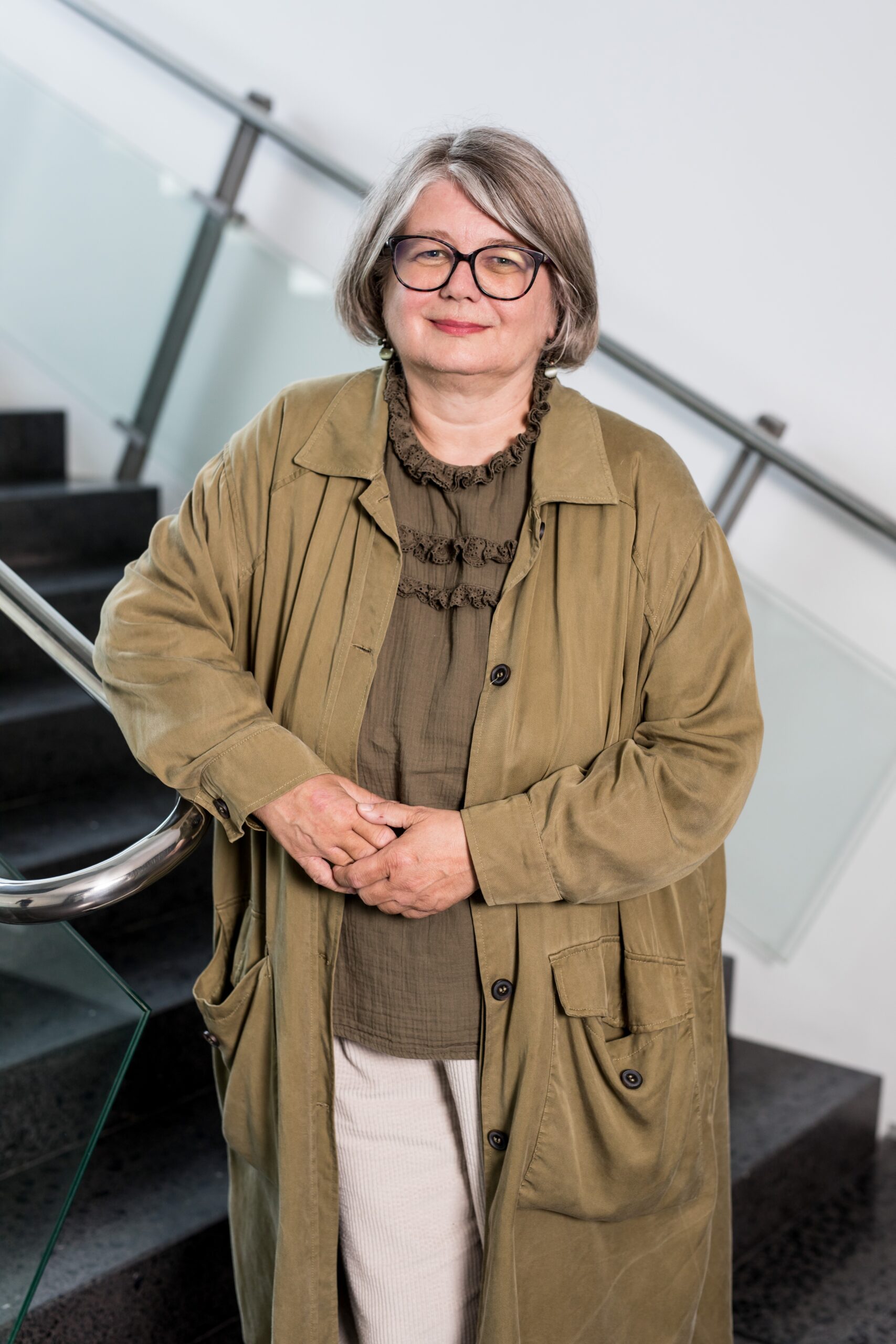
I consider citizen science as an important part of open science, particularly because it enables meaningful public involvement in scientific research and, in doing so, helps strengthen trust in science. Another important benefit is its potential to build a motivated, reflective, and critical community of people who might not otherwise have come together. Citizen science makes research more engaging and collaborative, brings researchers closer to the communities around them, and helps demystify science by making it more approachable and less likely to be perceived as something reserved for experts.
Assist. Prof. dr. Jerneja Ferlež (PhD), Citizen Science Advisor and Member of the Citizen Science Network
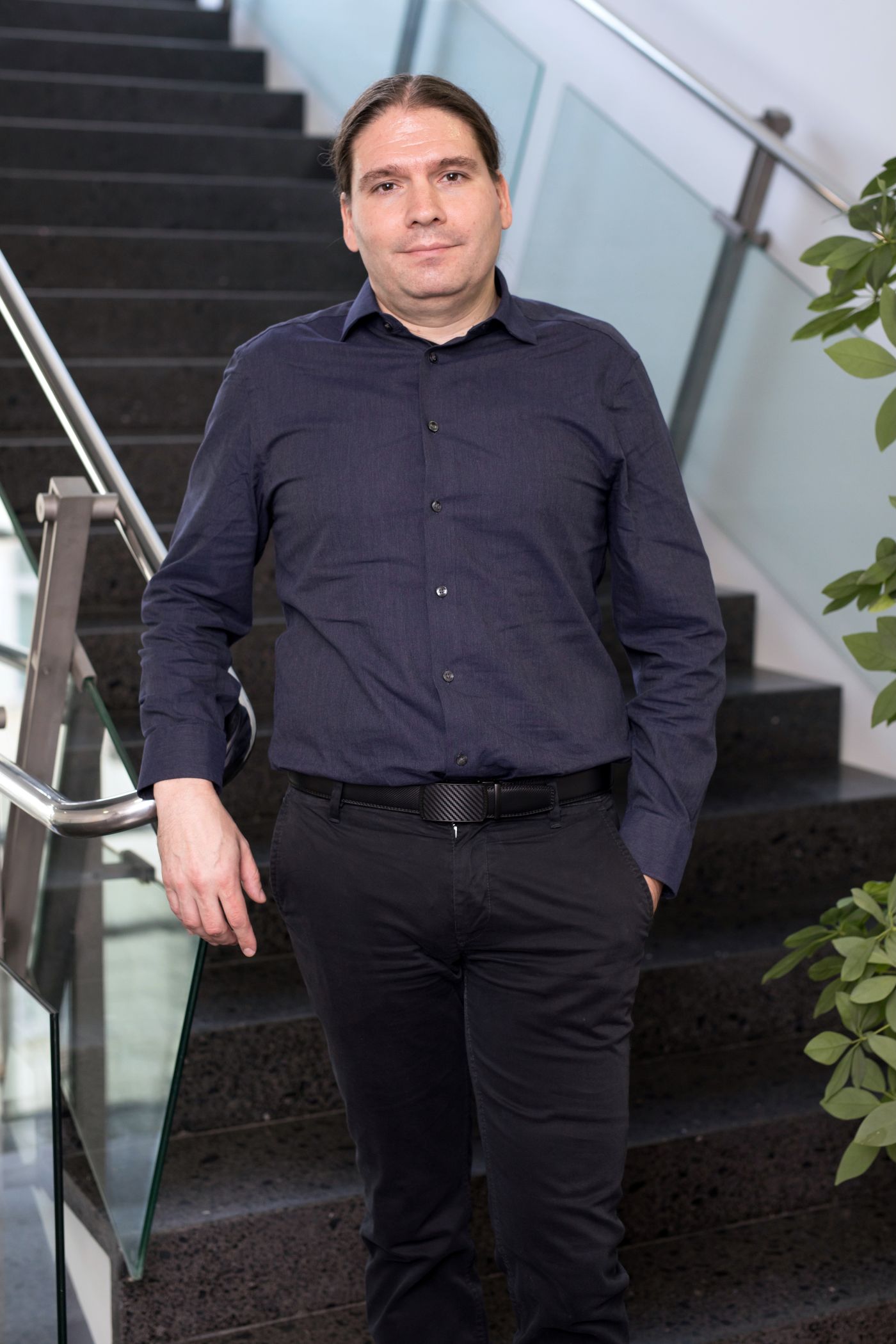
Open science is a research approach that promotes transparency, reproducibility, and the wider use and reuse of research outputs. In fields such as data science, artificial intelligence, and healthcare, open access to publications is important, alongside high-quality research data management, well- documented procedures, and the sharing of software code. These practices make it easier to verify research findings, enable more effective collaboration between research groups, and facilitate the transfer of knowledge into practice.
When working with sensitive or health-related data, however, openness must always be balanced with responsible practices that ensure data protection, adherence to ethical requirements, and appropriate access restrictions. Striking this balance strengthens credibility and fosters trust in research and its results.
Primož Kocbek, Data Steward

Open science makes research data accessible to researchers and other users who were not directly involved in the original research or data collection. By enabling the reuse of existing research data, it allows other researchers to verify, confirm, or challenge the original hypotheses and findings, as well as to apply different analytical methods to generate additional findings and new insights.
Open science thus contributes to improving research quality and strengthening the reliability of scientific findings through independent verification of research results and the reuse of data.
dr. Tamara Gomilšek (PhD), Data Steward

I see open science primarily as an opportunity for researchers to increase the accessibility, visibility, and reusability of their original findings and data, thereby enhancing the reach and impact of their work, strengthening their scientific recognition, and increasing their citation potential.
Lect. dr. Rok Črešnar (PhD), Data Steward

Working in accordance with the principles of open science offers numerous benefits for research quality, citation impact, and transparency. By making research data, methods, and results openly accessible, researchers enable greater scrutiny of their work, thereby supporting reproducibility and methodological rigour. Greater transparency also provides insight into the analytical methods used, facilitates the identification of errors, and helps improve the quality of research findings. These practices reflect the values of open science by promoting accessible and inclusive research and supporting the FAIR principles.
Assoc. Prof. dr. Marko Jukić (PhD), Member of the University Working Group on Open Science

To me, open science means more than just access to publications and data – it is a shift in mindset that opens up a new, modern perspective on research: one that is more collaborative, inclusive, and closely connected to real societal challenges. I believe that the knowledge we create at the university must circulate – among researchers, students, teachers, policymakers, and the wider public. Only in this way can science truly serve people and contribute to solving the complex problems of our time.
At the same time, open science offers numerous benefits to researchers: greater visibility and citation, easier interdisciplinary collaboration, faster progress, and increased public trust in research. As an ambassador, I want to help make open science an everyday practice – not an additional task, but a renewed way of thinking. I believe that with this approach, we can restore trust in science and ensure that research has a real impact – on people, the environment, and the future.
Mojca Gradič, Coordinator of the OZUM Ambassadors network
Mojca Gradič
Office for the Development of Scientific Research and Artistic Activity
- Department for Research and Arts
- +386 (0)2 23 55 337
- mojca.gradic@um.si